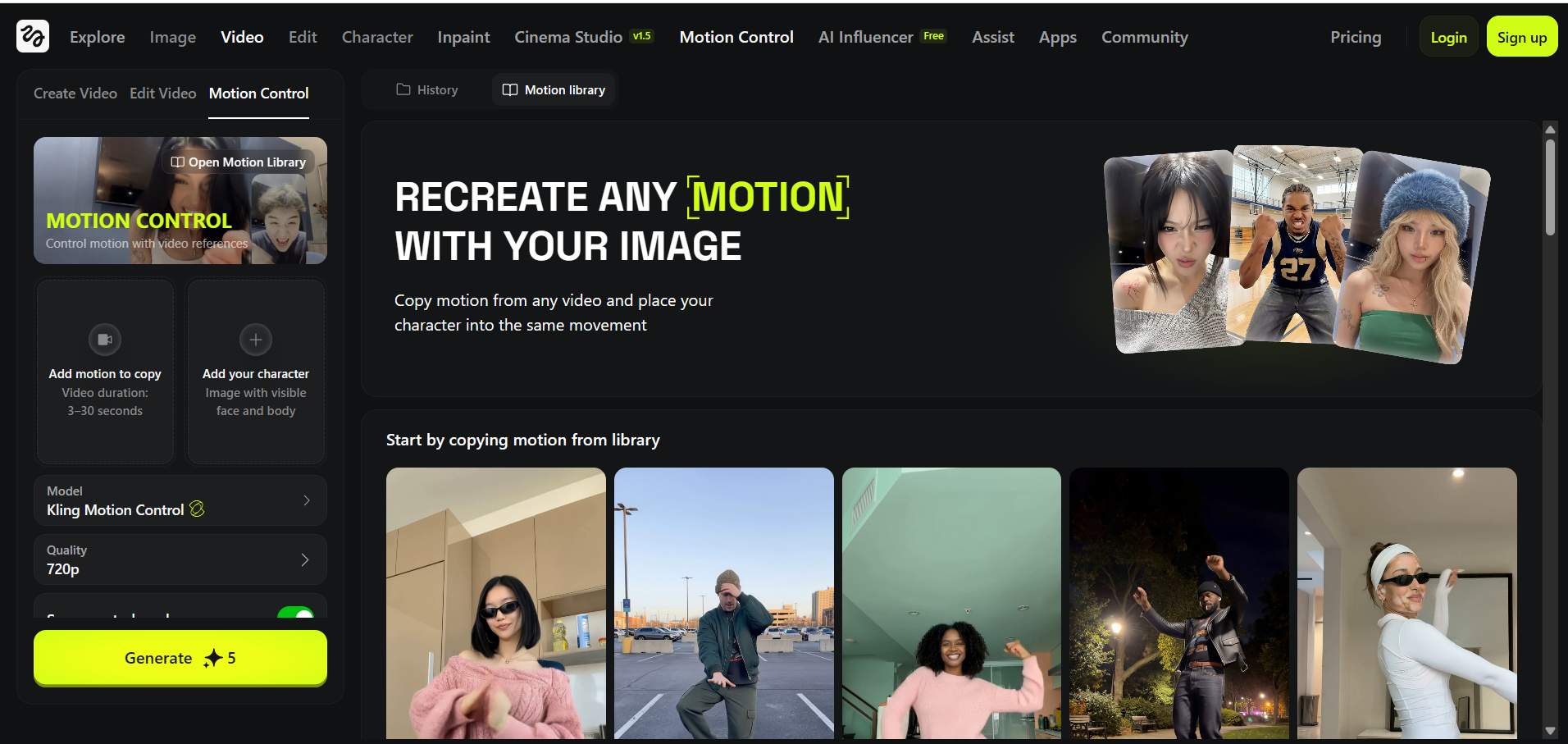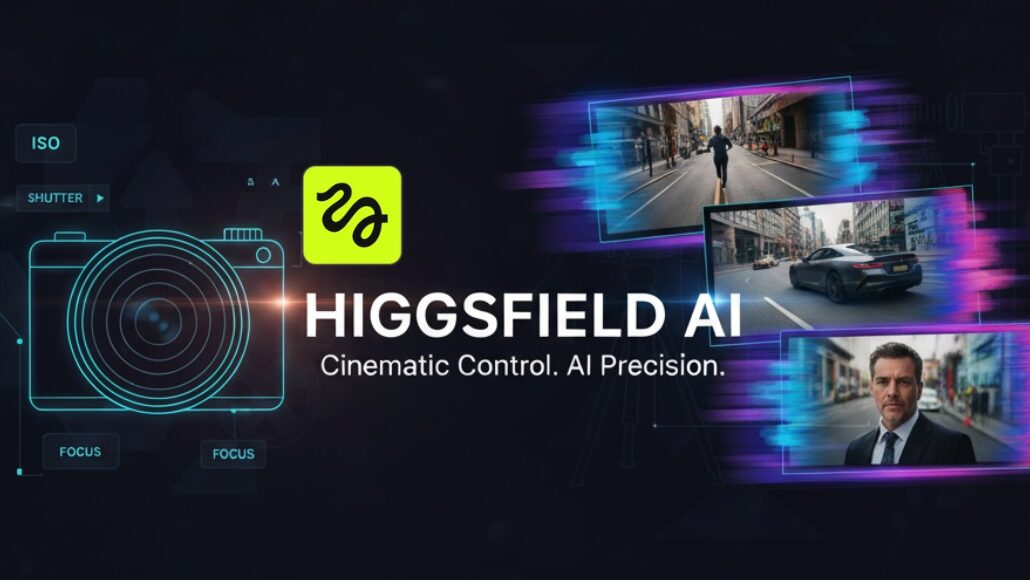
Artificial Intelligence is evolving at a rapid pace, and new tools are changing the way creators produce content online. One of the newest and most talked-about platforms in this space is Higgsfield AI. It is designed to help creators, marketers, and digital artists generate high-quality visual and creative content using advanced AI models. From cinematic visuals to stylized scenes, this platform is gaining attention for its powerful creative capabilities.
In this article, you will learn what Higgsfield AI is, its key features, how it works, who should use it, and why it can become a game-changer for content creators and bloggers in 2026 and beyond.
What is Higgsfield AI?
Higgsfield AI is a next-generation creative AI platform focused on generating visually rich and stylistic media outputs. Unlike traditional AI image tools that only produce basic images, Higgsfield AI is built with a cinematic and storytelling approach. It focuses on dynamic visuals, mood-based generation, and creative direction controls.
The platform is especially useful for creators who want more than just simple AI images. It aims to deliver results that look like movie shots, stylized frames, or high-impact social media visuals.
This makes it particularly attractive for:
Content creators
Bloggers
YouTubers
Social media marketers
Designers
Creative agencies
Why Higgsfield AI is Different from Regular AI Tools
Most AI image generators work mainly on prompt input and produce static images. Higgsfield AI goes a step further by emphasizing creative direction, motion style, camera feel, and cinematic composition.
Key differences include:
Focus on cinematic output
Better style control
Scene-based generation
Creative mood presets
Dynamic composition logic
Instead of just typing “a man walking on a road,” users can shape the mood, camera style, lighting tone, and storytelling feel of the output.
This gives creators more artistic control without needing advanced editing skills.
Core Features of Higgsfield AI
Let’s explore the major features that make Higgsfield AI stand out in the creative AI market.
1️⃣ Cinematic Visual Generation
Higgsfield AI is optimized for cinematic-style visuals. Users can generate frames that look like movie stills or dramatic shots. This is extremely useful for:
YouTube thumbnails
Blog featured images
Social media creatives
Ad campaigns
The visuals often include depth, lighting control, and strong subject focus.
2️⃣ Style and Mood Control
One of the strongest features is style direction. Users can guide the AI to produce outputs based on:
Dark mood
Bright commercial style
Retro tone
Filmic color grading
Futuristic look
This allows creators to maintain brand consistency across multiple visuals.
3️⃣ Creator-Focused Interface
Many advanced AI tools are complex, but Higgsfield AI is being built with creators in mind. The interface focuses on:
Easy prompt entry
Style presets
Creative templates
Quick generation workflow
This reduces the learning curve and helps beginners produce professional visuals faster.
4️⃣ Fast Iteration System
Creative work often needs multiple variations. Higgsfield AI supports fast iteration, meaning users can quickly regenerate variations of the same concept with small changes in mood, angle, or lighting.
This is helpful for:
A/B testing thumbnails
Testing ad creatives
Social media post variations
5️⃣ High Detail Output
The platform emphasizes texture, lighting, and composition. Outputs are generally more detailed compared to basic AI generators. This makes the visuals suitable for:
Website banners
Blog headers
Promotional graphics
Presentation slides
How Higgsfield AI Works
Higgsfield AI uses advanced generative AI models trained on visual patterns, cinematic compositions, and artistic styles. When a user enters a prompt, the AI interprets:
Subject
Style
Mood
Scene composition
Lighting behavior
Then it produces a visual output aligned with those directions.
The better and more descriptive your prompt is, the stronger and more accurate the result becomes. Prompt writing plays a big role in maximizing the tool’s potential.
Best Use Cases for Higgsfield AI
Higgsfield AI is not just for designers. It has wide use across digital industries.
✅ For Bloggers
Featured blog images
Article header visuals
Custom illustrations
Concept graphics
✅ For YouTubers
High-impact thumbnails
Background visuals
Storyboard frames
Creative posters
✅ For Social Media Creators
Instagram creatives
Reel covers
Story visuals
Branding graphics
✅ For Marketers
Ad creatives
Campaign visuals
Concept art
Landing page graphics
SEO and Content Creation Benefits
AI-generated creative visuals can improve blog performance when used correctly. Higgsfield AI can help bloggers improve:
Click-through rate with better featured images
Visual storytelling in articles
Social share appeal
Branding consistency
When combined with SEO-optimized content, unique visuals can increase time on page and user engagement — both important ranking signals.
Tips to Get Better Results with Higgsfield AI
To generate high-quality outputs, follow these tips:
Use detailed prompts
Instead of writing “a city,” write “a cinematic night city scene with neon lights and rain reflections.”
Add mood words
Include words like dramatic, cinematic, soft light, commercial, editorial, etc.
Specify camera style
Mention close-up, wide shot, aerial view, portrait frame, etc.
Test variations
Generate multiple versions and pick the best one.
Match brand tone
Use consistent style words for all your blog or channel visuals.
Limitations to Keep in Mind
Like all AI tools, Higgsfield AI also has some limitations:
Results depend heavily on prompt quality
Some styles may require multiple attempts
Overuse can reduce originality if prompts are repetitive
Human editing is still useful for final polish
AI should be seen as a creative assistant, not a full replacement for human creativity.
Future of Creative AI Platforms
Creative AI platforms like Higgsfield AI represent the next phase of digital content production. Instead of spending hours designing visuals manually, creators can now generate high-quality assets in minutes.
As AI models improve, we can expect:
Better realism
More style control
Motion-based generation
Integrated video creation
Real-time creative editing
Creators who learn to use these tools early will have a strong advantage in the competitive content market.
Conclusion
Higgsfield AI is emerging as a powerful creative AI platform focused on cinematic and stylistic visual generation. It gives creators the ability to produce high-impact visuals quickly and efficiently. Whether you are a blogger, YouTuber, or marketer, this tool can help you enhance your content quality and creative output.
By combining strong prompt writing with creative direction, users can unlock impressive results and speed up their content workflow. As AI continues to shape the future of digital creation, platforms like Higgsfield AI are worth watching and experimenting with.