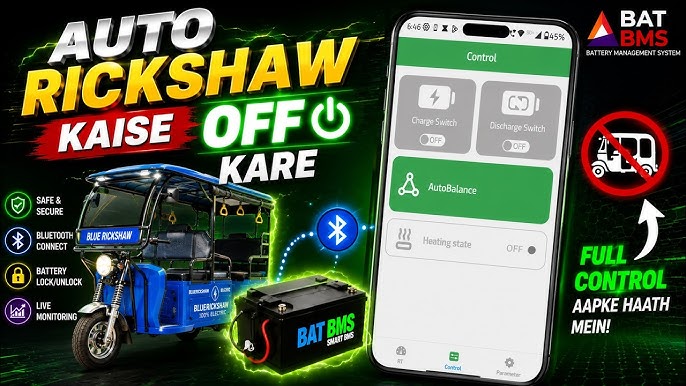
In this article, we’ll explore why e-rickshaws are becoming a major transportation trend and how they are shaping the future of urban mobility.
What is an E-Rickshaw?
An e-rickshaw is a battery-powered three-wheeled vehicle designed for short-distance travel. Unlike traditional fuel-powered vehicles, e-rickshaws run on rechargeable batteries, making them quieter and more environmentally friendly.
They are commonly used for:
- Local passenger transport
- School transportation
- Last-mile connectivity
- Small goods delivery
Their simple design and low maintenance requirements make them suitable for both urban and rural areas.
Why E-Rickshaws Are Becoming Popular
Several factors are contributing to the growing demand for e-rickshaws:
- Lower operating costs compared to petrol or diesel vehicles
- Reduced air pollution
- Minimal maintenance expenses
- Comfortable short-distance transportation
- Government support for electric mobility
These benefits have encouraged many drivers to switch from traditional vehicles to electric alternatives.
Benefits of E-Rickshaws
Eco-Friendly Transportation
Since e-rickshaws do not produce direct exhaust emissions, they help improve air quality and reduce environmental pollution.
Affordable Daily Operation
Charging an electric battery generally costs less than purchasing fuel, helping drivers reduce daily expenses.
Quiet and Comfortable Ride
Electric motors produce less noise, providing a smoother and more comfortable travel experience.
Easy Maintenance
With fewer mechanical components than conventional vehicles, e-rickshaws usually require less maintenance.
Challenges
Despite their growing popularity, e-rickshaws still face a few challenges:
- Limited battery range
- Charging infrastructure in some areas
- Battery replacement costs
- Overloading in certain regions
Continuous improvements in battery technology are expected to reduce these challenges over time.
The Future of E-Rickshaws
As electric mobility continues to expand, e-rickshaws are expected to become an even more important part of public transportation. Better battery technology, faster charging systems, and improved vehicle designs will likely increase their efficiency and reliability.
Many cities are already promoting electric transportation as part of their clean energy initiatives, making e-rickshaws a key component of sustainable urban mobility.
Conclusion
The new trend of e-rickshaws reflects the growing demand for affordable, efficient, and environmentally friendly transportation. They offer practical benefits for drivers, passengers, and cities by reducing fuel costs and lowering pollution.
As technology continues to improve, e-rickshaws are expected to play a significant role in the future of everyday transportation, making them an increasingly popular choice for modern urban travel.